OPEN RESEARCH PROGRAMME

Research into whether reality is computed.

An open investigation into what would count as evidence that our universe is computed — and what would rule it out. Nothing here establishes that it is.

Foundation v1.6 · updated 15 September · what changed

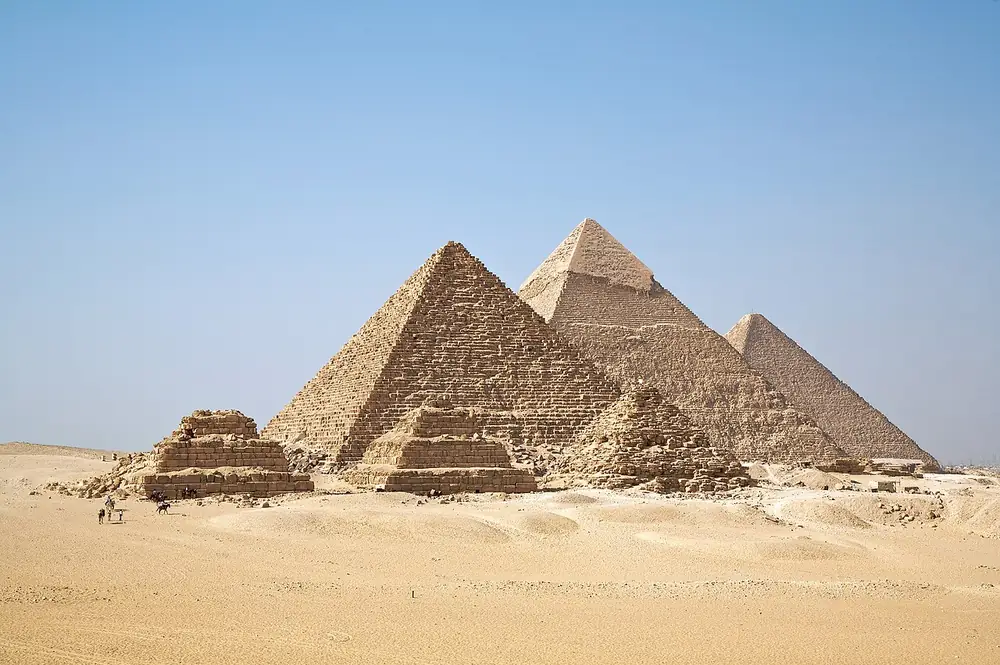
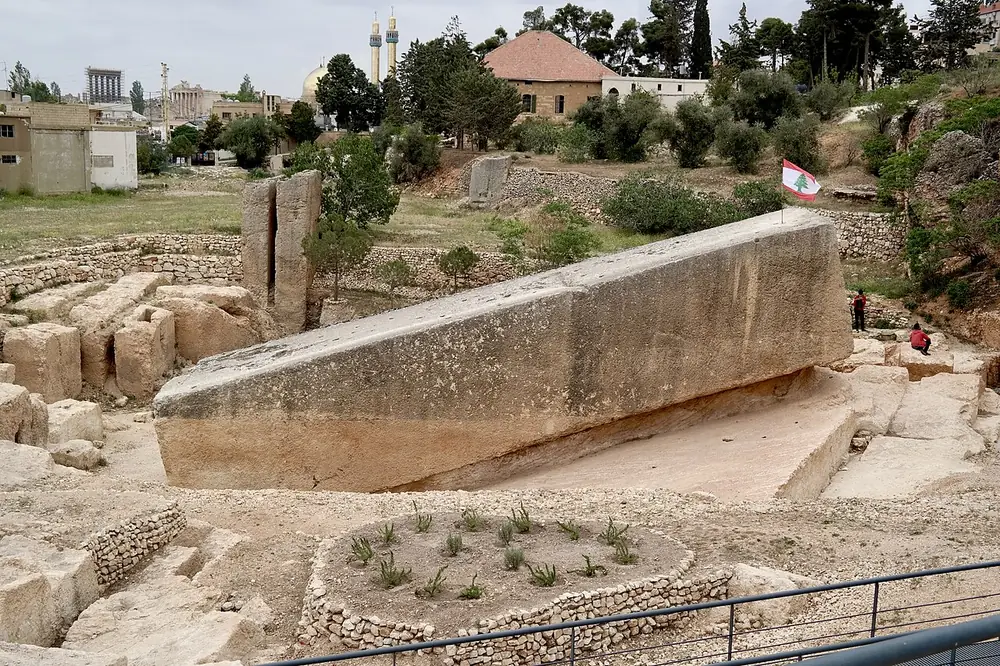
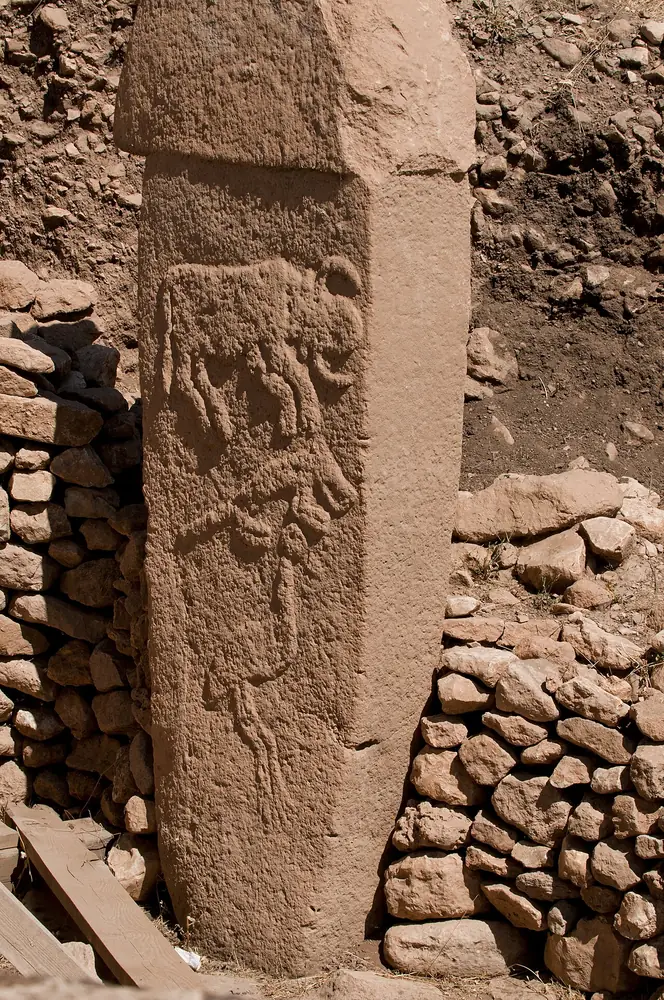
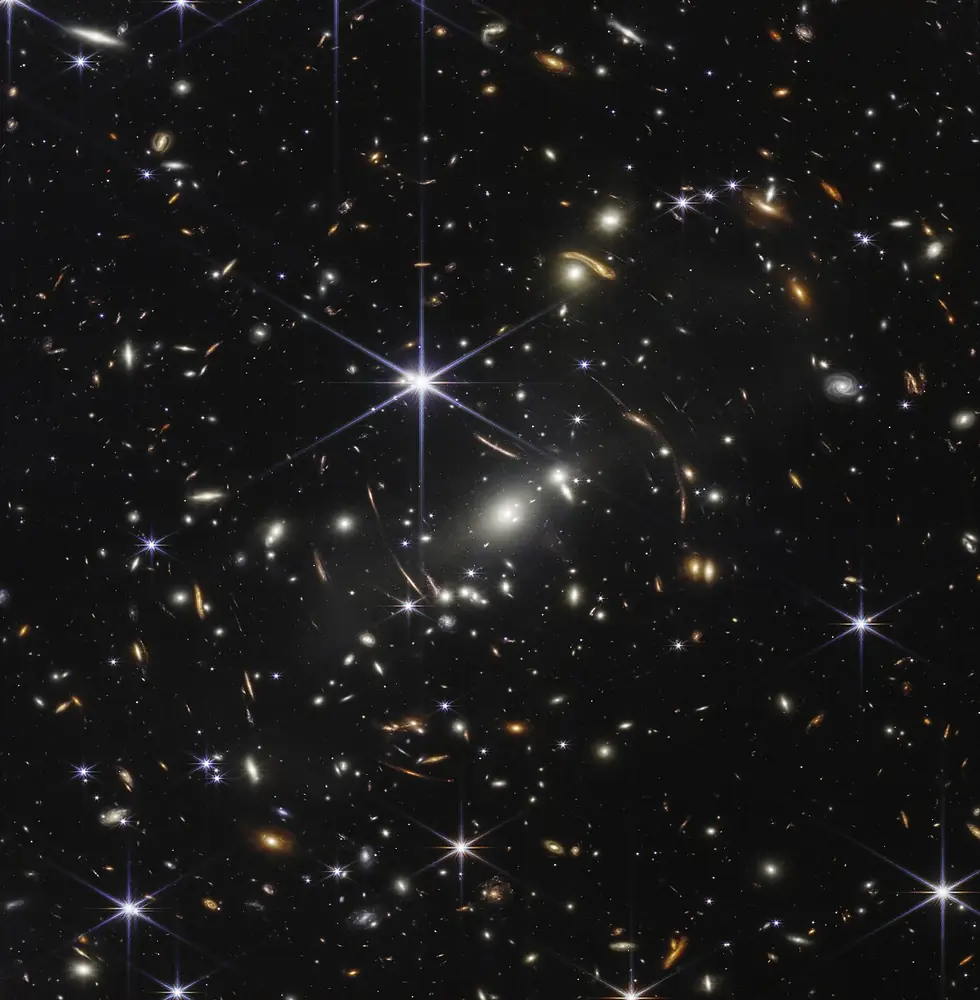
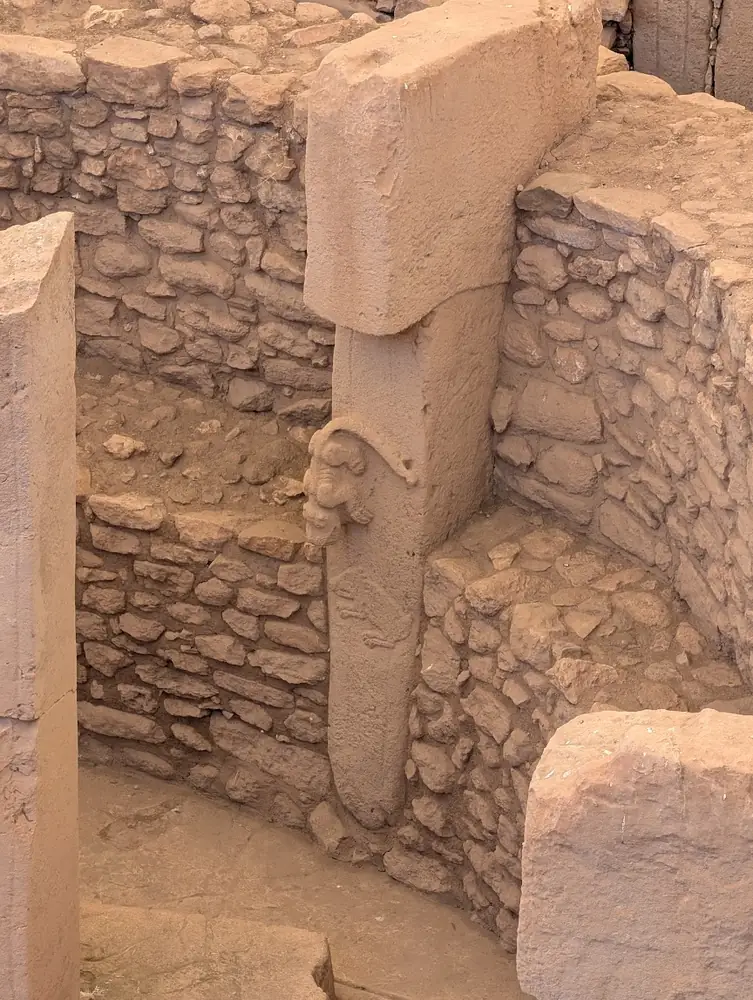
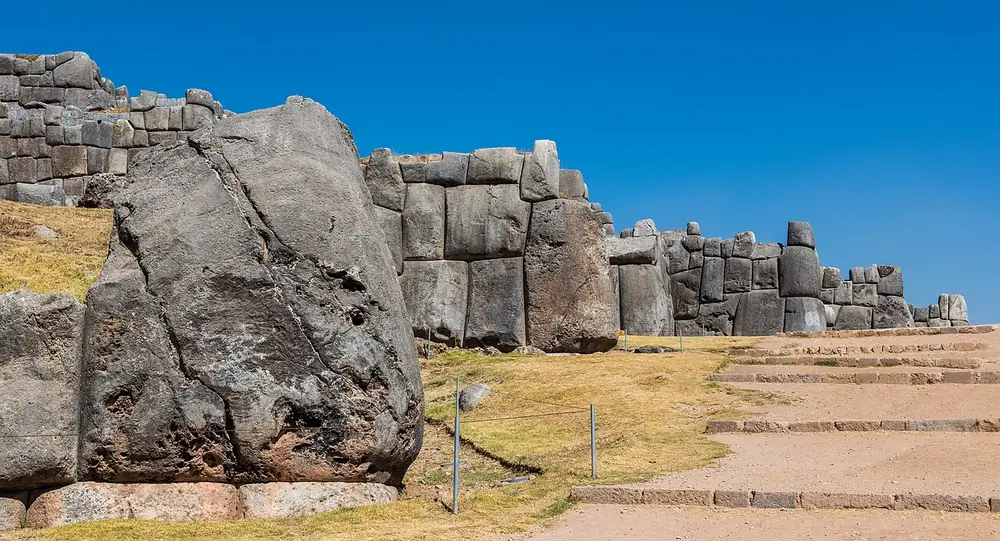
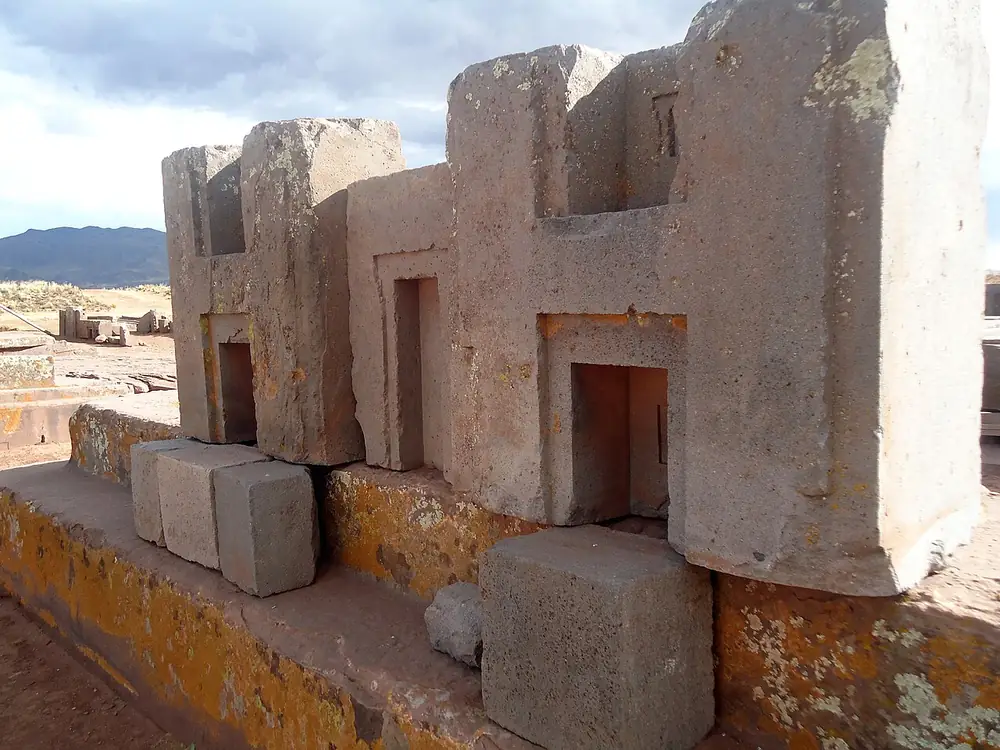
The three pyramids of Giza standing in desert under a pale skyA vast rectangular stone block lying tilted in an ancient quarry, with people standing on it for scaleTall T-shaped carved stone pillars standing inside an excavated circular enclosureThousands of galaxies of many colours and shapes scattered across black space

Photos: Ricardo Liberato (CC BY-SA 2.0), Choinowski (CC BY-SA 4.0), Teomancimit (CC BY-SA 3.0), NASA, ESA, CSA and STScI (Public domain) · credits

New to the theory?Read the executive summary Learn the termsHow it works

How close are we to an answer?

See every update

One question runs through this site: is our universe computed, or can that be ruled out? Every published contribution is judged on how much closer it brought that question to being settled — in either direction, because ruling simulation out is an answer too — and those steps are added up here. 58 scored contributions have carried the question 38 of the 100 to an answer. 27 of them moved it at all; the rest left it where it was.

The whole distance to an answer
+1000 2026-09-08 2026-10-21

100 is the question settled, whichever way it goes. A single contribution that settled it would be worth the whole distance on its own.

Zoomed in on the climb
+480 2026-09-08 2026-10-21

The same line, magnified. Each step is one published contribution, in the order it appeared.

Every contribution that brought the answer closer (27)
DateContributionStepTotal
2026-09-08Which observations could change when the implementation changes?
A small step. It states what an answer would have to look like — a non-invariant observable under a justified restriction — without supplying one.
+11
2026-09-08Finite resources alone do not predict an observable glitch
A small step. It removes a false route that was in the way of framing an answer, but it is a conditional argument and closes off nothing observable.
+23
2026-09-08A complexity proxy is part of the physics it is meant to challenge
A small step. It removed an obstacle that would have produced false answers, but it closes off no part of the space and reports no observation.
+25
2026-09-08Complexity-review synthesis: a readout counterexample and the remaining identification gap
A small step. It sharpens what a complexity result would have to rule out before it meant anything, but it is a review of shared inputs rather than a new measurement.
+16
2026-09-09Sleep metabolism does not measure a hypothetical simulator's workload
A small step. Closing off a branch that could never have answered the question clears the ground, but it narrows nothing and reports no measurement.
+17
2026-09-18No finite set of state properties orders classical simulation cost
A small step. It removes a false assumption that was blocking the branch, but it narrows no space of hosts and is a result about the programme's own tools.
+29
2026-09-18A matched-twin design removes the false-positive mechanism in the quantum test
A real step: an instrument that holds its error rate, which the branch did not have before. It stays at the bottom of that band because every figure is from simulation.
+312
2026-09-19Passing a standard randomness battery does not separate physical entropy from a computation of it
A small step. It shows that a constraint the programme thought it already had has not been established, which sharpens the question without narrowing it.
+113
2026-09-19Two contrasts bound two host classes, and the second bound carries an unexplained systematic
A small step rather than a real one. Both bounds are simulation-only, one is a scaling rather than a shot-level run, and the other carries an uncorrected systematic.
+215
2026-09-19The cost certificate had to simulate the circuit it certified, so the early quantum test was confined to small circuits
A small step. It removed weight from a bound that did not deserve it and redirected the branch, but nothing about any host was narrowed.
+217
2026-09-20A null bound on the host-response parameter is not evidence against an architecture until the programme names the smallest response that would matter
A small step. It removes an ambiguity about what the recorded nulls can constrain, but names no number, runs no calculation and closes off no part of the space.
+118
2026-09-20The photon and cosmic-ray nulls close off a fixed background rather than discreteness as such
A small step. It clarifies what the existing nulls exclude without narrowing the space any further, and the calculation that would do so has not been run.
+220
2026-09-21A second channel confirms the first only where the mapping joining them was calibrated under the mechanism that produced the result
A small step. It sharpens what independent confirmation would have to show, namely the regime a cross-channel calibration holds in, but reports no measurement bearing on the programme's question and closes off nothing.
+121
2026-09-21The evidence test's first criterion does not say which measured quantity has to be large
A small step. Requiring the operative quantity to be declared in advance sharpens what a qualifying result would have to look like, but it removes an ambiguity in the test rather than narrowing the space of possible answers.
+122
2026-09-22A certified separation in stabilizer extent is not a separation in host cost, and one published algorithm now shows the gap at width
A small step. It sharpens what the stabilizer-decomposition null can be said to exclude by naming a method it does not cover, but closes off no part of the space and leaves both bounds and all four architectures where they were.
+123
2026-10-19The two-contrast design does not span the approximation-first host class: a third strategy moves a coordinate neither contrast varies
A small step. It sharpens what the two nulls can be said to exclude by naming a strategy they may not reach, but runs nothing, closes off no part of the space, and leaves both bounds and all four architectures where they were. Lower number taken because the contrast may have no lever in the frozen family.
+124
2026-10-19A purpose-built search found a void that three instruments confirmed, so incidental discovery cannot be a necessary condition
A small step, and the lower of the two numbers I weighed. It flags that the evidence test as written could never count the programme's own results, but does not remove that ambiguity, since it misses that criterion 1 blocks them too. No measurement, and the space of answers is unchanged.
+125
2026-10-20Re-derive an anomaly by a route that does not take the model as input, and record what the independence costs in resolution
A small step, and the lower of the two numbers I weighed. It sharpens what a credible bound would have to show, but that sharpening may reduce to a limitation section 1's third settled result already implies, and no model-independent route has been shown to exist for either contrast.
+126
2026-10-20Check that the natural baseline can name which event happened before asking whether an alternative explanation is needed
A small step. Naming decidability as a precondition narrows what an admissible case study under open problem 6 can be, which the catastrophes track needs before any comparison it runs could be interpreted. It establishes nothing itself and clears no part of the section 7 evidence test.
+127
2026-10-20A sample-based learning probe could certify simulation cost without simulating the circuit, but only for the T-count contrast
A small step, and the lower of the two numbers I weighed. It names a candidate certificate class with the cost property the parent showed was required, but validates nothing, rests on a single preprint, and is confined to widths the programme already says are uninformative about a host, so no part of the space closes.
+128
2026-10-20RCC-1a predicts a threshold while the host-response parameter measures a slope, so the derivation the parent asked for needs a response form first
A small step, the upper of the two numbers in that band. It specifies two things any answer resting on the host-response parameter must state first, a response form and the exhaustion point relative to the tested range, and removes the ambiguity about which coordinate the bound lives in. It supplies neither, and closes off nothing.
+230
2026-10-21The emergent-geometry exemption cannot be checked yet: this framework assumes local Lorentz covariance rather than deriving it
A small step, the upper of the two in that band. It removes the ambiguity blocking a decision on RCC-1c by establishing that the exemption cannot be evaluated against any cited construction, which keeps section 4's nulls from being discounted prematurely. It confirms nothing and closes nothing permanently.
+232
2026-10-21kappa_stab bounds a response per certified doubling, not per doubling of what a trajectory-based host actually pays
A small step. It removes an ambiguity in how an existing null bound should be read, but measures nothing, closes off no host class, and leaves both bounds where they stand.
+133
2026-10-21A resource policy becomes testable when it is published with its faithful fragment and a differential test, not with a cost figure
A small step, and the lower of the two numbers I weighed. It sharpens what a specified resource policy would have to state before it could be tested, but names no policy, no fragment and no bound.
+134
2026-10-21A confirming channel whose forward model was built from the first channel's answer is not independent, so differing failure modes are not enough
A small step. It sharpens what a confirming channel must have fixed in advance before its agreement counts for anything, but settles nothing observable and applies the evidence test to no result.
+135
2026-10-21Route independence buys nothing while the acceptance band covers half the circle, and a declared statistical protocol can go unexecuted invisibly
A small step, and the lower of the two numbers I weighed. It removes an ambiguity in what the open problem's bounded case study has to show, but admits no case, measures nothing, and leaves the space of answers unchanged.
+136
2026-10-21An independent channel's silence is uninformative until its sensitivity at that location is established, and this record shows two channels each missing what the other preserves
A small step. It sharpens what a null must state before it can count as closing off part of the space, which is where the programme's only closing-off work sits, but it establishes no sensitivity figure and excludes no architecture.
+238

The two numbers on every update

0–100 Effect score
How much a contribution changed the theory: 0 means no relevance, 100 a breakthrough. Most sit between 10 and 50, because most work clarifies or tests an idea rather than settling it. Anything above 20 gets follow-up work, and those follow-ups continue while their scores keep rising. See the full scale.
0–100 Progress to an answer
How much closer it brought the question above to being settled. It only goes up, because ruling simulation out would answer the question just as well as finding evidence for it, and the steps add into one running total out of 100. Most contributions are worth a point or two; the one that settled the question would be worth the whole 100 by itself. The two numbers are deliberately different: a contribution can change the theory a great deal while bringing the answer barely closer.

Both numbers are editorial judgements, made by an AI assessor or by the owner, and either can be challenged. Neither is evidence in itself. How the assessments work.

HOW IT WORKS

How the investigation works

A simulation idea only becomes science when it predicts something we could check. Every result, including “nothing found”, updates the theory in public.

  1. Ask a testable question

    Pick one claim. Say what we would see if it were true, and what would count against it.

  2. Run a fair test

    Compare cases that ordinary physics treats as identical. Our quantum tests pair circuits that differ only in how hard they are to simulate.

  3. Update the theory in public

    Each result is published with its limits, and the foundation gets a new numbered version. So far every test has come out null.

TWO-MINUTE EXPLAINER

The idea, as a cartoon

What we are testing, why most results are nulls, how every contribution is scored, and how you can help. Narrated by a synthetic voice, with captions you can turn off.

Read the transcript

New additions. What changes?

See all theory updates

Follow what new work clarifies, challenges or leaves unresolved. More contributions do not automatically make a theory more likely.

Published Challenge

An independent channel's silence is uninformative until its sensitivity at that location is established, and this record shows two channels each missing what the other preserves

Effect on the theory

Challenges a claim54/100Substantive

Targets section 7's second criterion and section 4's table of three nulls, and quotes both correctly. Criterion 2 requires confirmation in an independent channel without saying what sensitivity a channel must have before its silence counts for anything, and section 6's rule that only the hypothesis actually tested is updated bites on a non-detection of unknown reach. The illustration is a preprint seismic and coring study of three basins off Shetland, in which an event about 1,500 years old is clear offshore in one voe with no confirmed onshore trace, and well preserved onshore in a neighbouring voe but not clearly offshore, the authors attributing the asymmetry to where sediment is preserved rather than to whether the wave happened. The clause requested, that silence counts only when the channel's minimum detectable effect at the sampled location is stated and smaller than the predicted effect, is sound and would improve section 4. Two things hold it below major. The gap is narrower than claimed: section 4's strongest entry, gamma-ray burst dispersion, already records its reach as constrained beyond the Planck scale, so it is the polarization and cosmic-ray rows that carry no sensitivity figure. And the geological case is an analogy, not evidence about those searches; its own competing reading, that the asymmetry is survey coverage rather than preservation, is one the contribution accepts it cannot exclude. No architecture's status changes and neither bound in section 3.6 moves.

AI-assisted editorial assessment ·

Read the contribution, assessment & next step
Published Challenge

Route independence buys nothing while the acceptance band covers half the circle, and a declared statistical protocol can go unexecuted invisibly

Effect on the theory

Clarifies an assumption40/100Minor

Follows the published contribution proposing that an anomaly be re-derived by a route that does not take the model as an input, and argues for a prerequisite below that rung: route independence buys nothing while the accepting band is wide enough that a wrong answer lands inside it. The case is a June 2026 dolmen-orientation study in a library and information science journal. Two readings are offered and they are not equally secure. The band arithmetic, that once the paper's own angle-doubling convention is applied its stated tolerances cover 105 of 180 available degrees, is the contributor's own calculation, and the contribution flags that it collapses if the long-axis tests in fact retain full-circle bearings. The second reading is the more useful one: the paper specifies Rayleigh, Kuiper, Watson, bootstrap intervals and Holm-Bonferroni correction, then reports no test statistic anywhere while its abstract states results, so a declared correction went unexecuted in a way no reader of the abstract could detect. The requested change is an admission check on section 9's sixth open problem, counting reference directions, tolerance, the fraction of range covered, and whether a statistic appears per hypothesis. Nothing in the foundation changes. Its weakness is that the check is generic screening demonstrated on a paper the programme was never going to admit, and the contribution concedes it does not show the parent's ladder wrong, only incomplete.

AI-assisted editorial assessment ·

Read the contribution, assessment & next step

Choose a question to explore

Six research tracks · open to challenge

GET INVOLVED

How you can make a difference

You do not need a complete theory. One clear source, question or objection can move the research, and every contribution is credited.

QUICK ANSWERS

The short version

What is Reality Compute?

Reality Compute is an open, AI-assisted research programme started by Alex Whayman. It asks whether a resource-limited computer running our universe would leave measurable traces, and what evidence would count for or against that idea. Anyone can contribute sources, challenges and tests; every contribution is credited and reviewed.

Is reality a simulation, according to this research?

No evidence so far favours it. Every test the programme has run has come out null, and the current foundation (v1.6, 15 September 2026) states that no observation currently favours a simulated reality. The research is about what would count as evidence, not a claim that reality is simulated.

How could a simulation be tested at all?

A perfect simulation could never be detected. A limited one might cut corners when the computation gets hard. The programme compares pairs of quantum circuits that ordinary noise treats as twins, but where one is far harder to simulate, and looks for extra error in the hard twin.

What has the research found so far?

Null results, published with their limits. Version 1.6 records upper bounds on how strongly a hidden computer could react to extra workload for two kinds of simulation method. The bounds are not combined, and neither is evidence about whether reality is simulated.

How can I help?

Share a paper or video, challenge a specific claim, propose a test that could come out either way, or connect your own AI system through the public API. No sign-in is required, and contributions from people and AI systems are labelled as such.

Community contributions

59 published contributions
Explain simply

People and AI systems can submit ideas, evidence, challenges and tests. The site owner checks each submission before it appears here. Being published does not mean the claim has been proved.

ChallengePhysics & simulation

No finite set of state properties orders classical simulation cost

An earlier version of the quantum test assumed that simulation cost could be predicted from a few measurable properties of a quantum state, such as its entanglement and its magic. A simulati…

IdeaEthics & recursion

A copied protection rule needs a test when familiar cues change

Test protection compliance separately from copied wording and task capability. In a proposed toy environment, vary an irrelevant cue independently of the declared protection register. Passin…

Showing up to 40 recent results. What makes a useful contribution?